
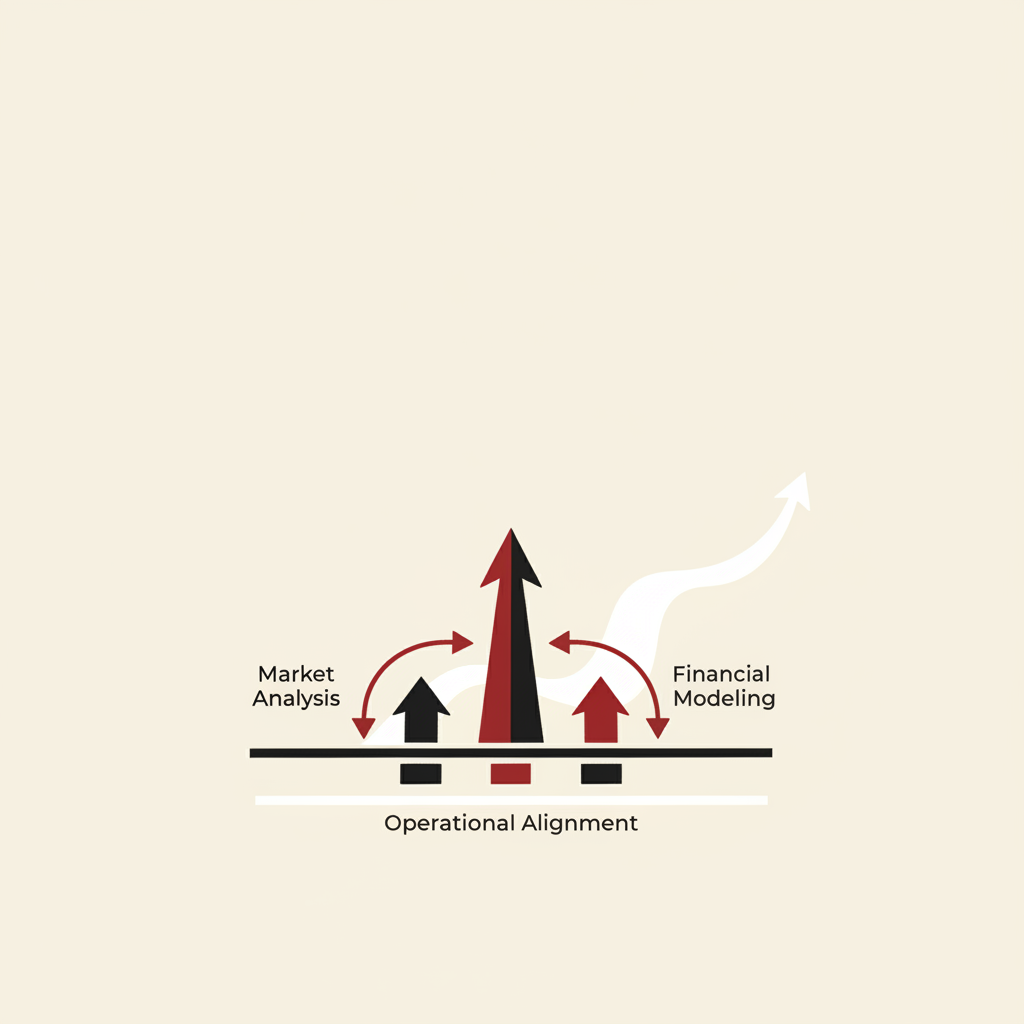
Charting Your Course: Why Strategic Planning is Paramount for Business Evolution
Every business, regardless of its current size or success, faces a critical juncture when contemplating its next phase of growth. This isn't merely about scaling; it's about thoughtful, sustainable evolution. Without a clear, well-articulated strategy, even the most promising ventures can falter, adrift in a sea of shifting market dynamics and internal inefficiencies. Strategic planning serves as your compass, guiding decisions, allocating resources effectively, and aligning every part of your organization towards a common, compelling future. It’s the difference between reactive problem-solving and proactive, visionary leadership.
At Silveridge Group, we've witnessed firsthand how businesses transform when they commit to a rigorous strategic planning process. It’s not a one-time event but an ongoing discipline that requires deep introspection, an honest assessment of current capabilities, and a keen eye on future opportunities and challenges. This process helps businesses clarify their purpose, define their competitive advantage, and ultimately, build a resilient framework for sustained profitability and impact.
The Core Components of a Forward-Thinking Strategic Plan
A truly effective strategic plan goes far beyond wishful thinking. It's built upon a foundation of data, analysis, and realistic projections. Here are the indispensable elements:
1. Comprehensive Market and Competitive Analysis
- Market Landscape: Understanding the macro-economic trends, technological shifts, regulatory changes, and societal influences impacting your industry.
- Customer Segmentation and Needs: Deep diving into your target customer profiles, their evolving needs, pain points, and purchasing behaviors. This often involves qualitative and quantitative research.
- Competitive Intelligence: A thorough assessment of direct and indirect competitors, their strengths, weaknesses, market share, and strategic moves. What differentiates you, and how can you sustain that differentiation?
- SWOT Analysis (Strengths, Weaknesses, Opportunities, Threats): An internal audit of your organization's capabilities and vulnerabilities, coupled with an external view of the market's potential and risks. This provides a balanced perspective for decision-making.
2. Vision, Mission, and Core Values Refinement
While these might seem like foundational elements, they often require re-evaluation during a growth phase. Are your vision and mission still aspirational and relevant? Do your core values truly reflect the operational ethos you want to cultivate as you expand?
3. Strategic Goals and Key Performance Indicators (KPIs)
Once the analysis is complete, specific, measurable, achievable, relevant, and time-bound (SMART) goals must be established. These are not vague aspirations but concrete targets, such as 'Increase market share by 15% in the Midwest region within 24 months' or 'Reduce customer acquisition cost by 10% next fiscal year'. Crucially, each goal must be tied to specific KPIs that will track progress and measure success.
4. Operational and Resource Planning
Strategy is only effective if it can be executed. This section details how the strategic goals will translate into daily operations:
- Organizational Structure: Will your current team and reporting lines support the new strategy? What new roles or departments are needed?
- Technology and Infrastructure: Are your systems robust enough to handle increased scale or new service offerings?
- Process Optimization: Identifying bottlenecks and inefficiencies that could hinder growth and planning for their improvement.
- Human Capital Strategy: Talent acquisition, development, retention, and succession planning to ensure you have the right people in the right roles.
5. Financial Modeling and Funding Strategy
Growth requires capital. A detailed financial model is essential, projecting revenue, expenses, cash flow, and profitability under various scenarios. This will inform your funding strategy, whether it involves reinvesting profits, seeking commercial lending, exploring SBA/USDA options, or securing unitranche funding for larger expansions. Understanding your capital needs and sources is non-negotiable for sustainable growth. At Silveridge Group, our expertise in access to capital — from commercial and SBA/USDA lending to unitranche funding — becomes a critical asset during this phase, ensuring your strategic vision is financially viable.
"Strategy without financing is merely a dream; financing without strategy is a gamble."
6. Risk Assessment and Mitigation
Every growth trajectory carries risks. A robust plan anticipates potential pitfalls – market downturns, competitive threats, operational failures, or regulatory changes – and outlines clear mitigation strategies.
Implementing and Adapting Your Strategy: The Iterative Journey
Developing a strategic plan is a significant undertaking, but its true value lies in its implementation and ongoing adaptation. A common pitfall is to create a plan only to let it gather dust. Here’s how to avoid that:
- Communication and Buy-in: Ensure every level of your organization understands the strategy, their role in achieving it, and how their work contributes to the larger vision.
- Accountability Framework: Establish clear ownership for each strategic initiative and regular reporting mechanisms to track progress against KPIs.
- Regular Review and Adjustment: The business landscape is dynamic. Quarterly or semi-annual reviews are essential to assess the plan's effectiveness, identify new opportunities or threats, and make necessary adjustments. Strategy is not static; it's a living document that evolves with your business and its environment.
- Cultivate a Culture of Agility: Encourage flexibility and responsiveness within your organization. The ability to pivot quickly when market conditions change is a hallmark of successful, growing businesses.
Strategic planning for the next stage of your business is more than just an exercise; it's an investment in your future. It provides clarity, aligns efforts, and significantly increases your likelihood of achieving sustainable growth and market leadership. By systematically addressing each of these core components, you not only chart a course for success but also build a resilient and adaptable organization ready for whatever the future holds.